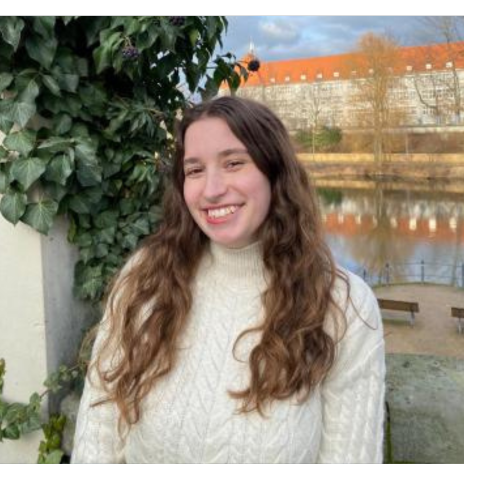
 By: Cami Stevovich
Wittenberg University
2024-2025
This past semester, I was involved in hosting and participating in an opportunity that connected both Wittenberg students and the Haitian community. I wanted something that embodied a collaboration and connection of the two cultures that both enriched and educated people to not only understand the Haitian culture better, but also different cultures. I then settled on the name: Creativity, Connections, and Culture; a title that allows people to connect three distinct yet intertwined concepts that then turned into a wonderful and eye-opening experience.
As someone who knew very little about Haiti, I first had to understand why the people left the country and why they came to Springfield. For starters, Haiti is going through a governmental takeover, leading to gang uprisings and chaos. Leading many people to flee the violence in search of a better life, possibly in the United States. Many people went to other places such as New York City, Chicago, St. Louis, and, surprisingly, Springfield, Ohio. The reason is that Springfield is in a good location, near Dayton and Columbus, both major cities in Ohio. And the city has affordable housing and job opportunities, leading many to travel and stay in Springfield. Yet while many see the arrival of the Haitian immigrants as a cultural development and significant impact on our economic growth, others see them in a more negative light. Thus, leading to hatred, persecution, and harassment from far-right extremists, news articles, and even politicians. Due to their mere presence and the November 2024 Presidential election period, Springfield was put on national and international stage, leading to several threats from foreign and domestic groups who target minority cultures and communities. While this realization may scare many, to me, it sparked a greater need and understanding of a group that not only has helped Springfield grow but has also changed the narrative and significance of a city that has often been ignored and forgotten.
This experience has allowed me to grow into a more culturally aware and developed person, meaning that I have been able to better understand the world around me, not just within my field and major, but as a human being, understanding different people and cultures around me. What happened to the Haitian community in Springfield occurs everywhere with various immigrant cultures and backgrounds. When I was first made aware of the issue, I too was not sure that I knew anything about Haiti, nor could I even put the country on a map. But after seeing my university and Springfield being negatively impacted by the national and international media attention, I felt a greater sense of yearning for knowledge and care for how to solve the issue but also how to progress my community forward.
The event was an opportunity for college-age females from different cultures to gather and learn from each other by crafting together and sharing a meal. At the event, we prepared a presentation about important Haitian women leaders, as well as three different crafting activities: bracelet and necklace making, vase decorating, and origami. Additionally, Haitian catering was available, allowing Wittenberg students to try and appreciate Haitian food.
Throughout this event and many events involving the Haitian immigrants within Springfield, women have played a critical role in the acclimation and growth of the community. This event was not only about creativity, connections, and culture, but also the importance of female empowerment and understanding within the Haitian community and beyond. From leading crafting events to hosting youth events, without the support and guidance of women within the Haitian community, many families and children would not have the means nor comfortability to feel adjusted in such a different environment from their own. Haitian women have led movements through means of education, activism, and politics, creating a landscape of growth and change when it comes to immigrant populations in the United States. Without them, this and many other events for and within the Haitian community in Springfield would not have been possible.
First, I would like to thank the Haitian Community Help and Support Center for their unwavering support and communication as we navigated our partnership and events. In addition, I appreciate the Susan Hirt Hagen Center for Civic and Urban Engagement for their mentorship and empowerment of my mission and goals when it came to the development of these events and more. I would also like to thank all the other organizations (Think Tank, Clark County Public Library, Haitian Coalition and Haitian Alliance) who have partnered and uplifted the Haitian community in their development and growth within Springfield. Without the financial support of this project, the process for all of this may not have been possible. I would also like to sincerely thank the Newman Fellowship and the Allstate Foundation for their support and funding in making this idea a reality. And finally, I would like to sincerely thank Kristen Collier for her unwavering support for the past 4 years for my educational development and mentorship during this Newman Fellowship grant process. To have someone understand and build on my ideas has been an incredible experience, and words cannot express how grateful I am for her support and care.