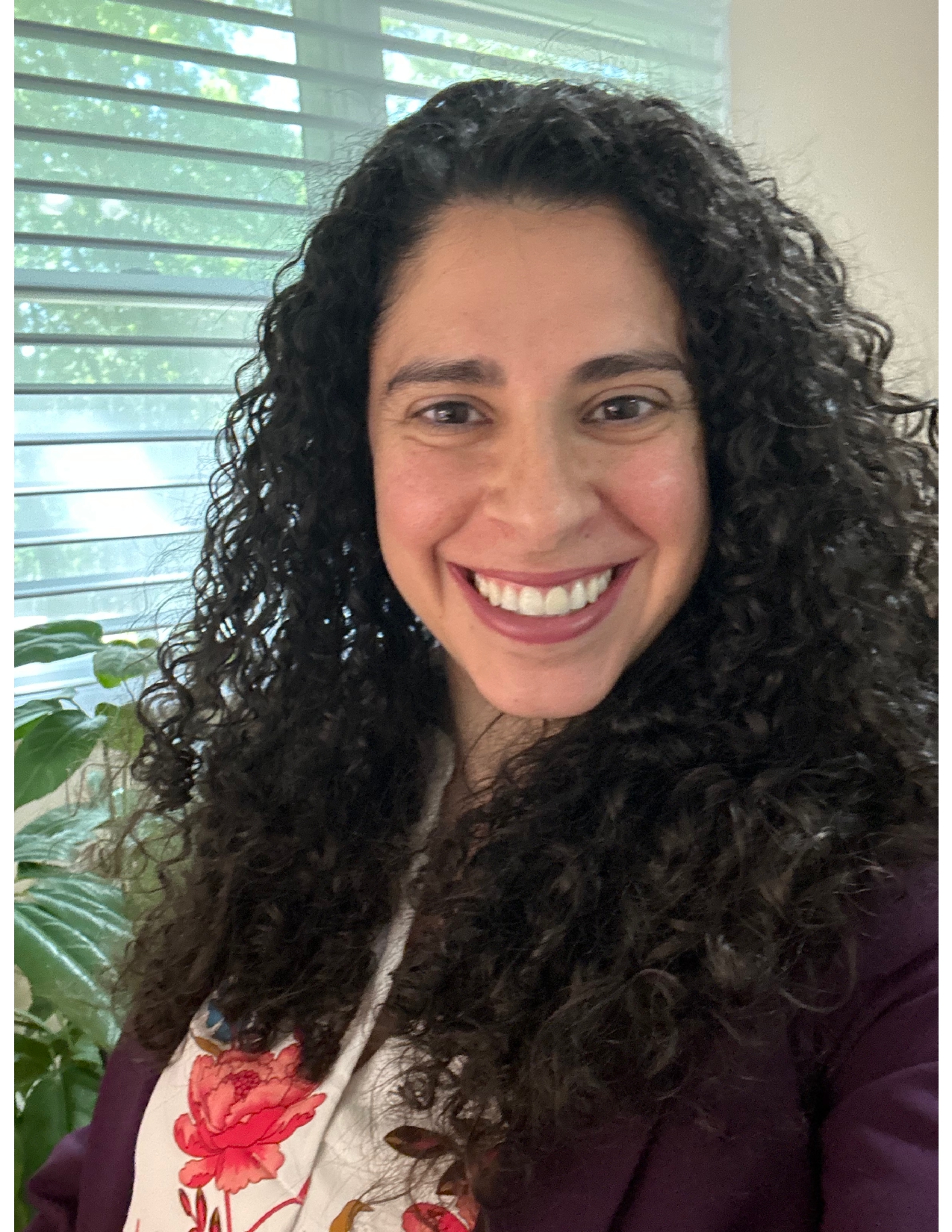
 Helen-Margaret Nasser is the inaugural director of the Student Union and Intercultural Center at Kingsborough Community College in Brooklyn, New York. She holds a bachelor’s degree from McGill University in political science and international development studies and a master’s degree in political science from the Graduate Center of the City University of New York where she concentrated on Middle East identity and civil society politics.
In October, I organized weekly faith-based dialogues because I believed that Kingsborough Community College students’ religious identities were not acknowledged and supported. Kingbsorough’s diverse student body includes over 140 national backgrounds with students speaking over 70 different languages. While there are faith-based religious clubs on our campus, dialogues between clubs are not common. As the Director of the Student Union & Intercultural Center (SU&IC), I decided to pick a time each week to host interested students and I made a pretty colorful flier using Canva. At the first meeting, five students came into our newly established Inter-Faith Room, we ate, and then I opened up with the following question: Who or what “opened your eyes” to differences and/or the option to build a bridge across differences?
The students who attend the sessions do not generally know one another. We first engage in small talk. We exchanged ideas about food because we all know that is something people have lots to say about that. I intentionally pointed out which snacks were Kosher and Halal. This is sometimes necessary because students don’t always have these options and are hesitant to ask.
I took this moment of shared comfort and engagement to talk about why these dialogues were important at this political-historical moment and why I personally cared about interfaith bridge building. As the one-year anniversary of Gaza approached, higher education administrations and staff across New York were understandably nervous as to how their campus communities would respond. New York CIty was foisted into the media spotlight the previous year and it was crucial to be proactive.
I explained that interfaith bridge-building is important to foster genuine understanding and to embracing authentic empathy with peers and colleagues, across our differences.
Since that first day I’ve hosted three more sessions and have two more scheduled. Students have come back week after week - and not just for the snacks - they have been eager to unpack and explore other questions together. In response, we discussed how did your religious identity, faith, or worldview develop? Which aspects relate to crossing lines of difference?
I have been impressed with the students willingness to be vulnerable, to be reflective about their own identities, and to ask questions. It allowed me to learn more about our students and understand how we can support and serve them better. For example, one student expressed the tension they experienced between their cultural upbringing and religion and their choice to convert to another religion. Their journeys help others open up about their own struggles.
In reflection, I am pleased with the decision to use these prompts from Interfaith America’s Bridge Building curriculum and the training I received from attending their Interfaith Leadership Summit, the nation's largest gathering of students and educators committed to American religious pluralism. Campus Compact conferences also provide a great opportunity to connect with colleagues and to have opportunities for dialogue about success stories and challenges around this work.
Amid the trending nature of dialogue - this is a reminder that these spaces do not always need to be overthought. Provide opportunities for students to be themselves and to be heard and seen. Create opportunities for connections to be made. Consistency in this practice will help position colleges and universities to be proactive and have a campuses that truly resemble and embody community.
I close each one-hour session by showing my thanks and appreciation for them being in this space and a reminder of why these conversations are so important - that the SU&IC is here to support them holistically and that we recognize the nuances and intersecting identities they possess as students.


Get Involved
Sign up for email updates below or follow us on social media to read more stories of impact on Campus Compact's community college member campuses. Or consider joining our community college affinity group, a network dedicated to preparing community college students to be informed, active, and mobilized leaders in our democracy.