Campus Compact is excited to announce the 18 faculty and staff selected as the 2025-2026 cohort of Engaged Scholars as part of the Engaged Scholars Initiative. The Engaged Scholars Initiative is a one-year, cohort-based leadership & professional development program that supports early career faculty and staff in strengthening their community-engaged scholarship. Each cohort consists of a diverse group of scholar-practitioners who are equipped to lead equity-focused change at their institution and in communities.
Scholars were selected based on their commitment to centering equity in their civic and community engagement work. Members of the cohort hold a wide variety of roles on their campuses, but each has a demonstrated history of effective civic and community engagement work. These highly qualified scholars come from Campus Compact member institutions throughout the country, representing 18 institutions across 13 states.
Over the course of the academic year, Engaged Scholars will participate in bi-weekly virtual meetings, twice-yearly in-person retreats, and collaborative scholarly work to strengthen their own critical community-engaged scholarship. The aim of the program is to strengthen individual and collective scholarship, research, and impact and empower participants to lead change within their institutions and communities.
"I am excited to welcome this cohort of engaged scholars who will have already shown an impressive level of dedication and passion to community engaged scholarship across their disciplines and areas of practice," said Nicole Springer, VP of Professional Development and Inclusive Excellence at Campus Compact.
“Each year, our Engaged Scholars learn with and from each other, engage in scholarship production, and connect in collaborative ways that contribute to their own individual leadership and the growth of the field of higher education civic and community engagement. I cannot wait to see how this group progresses over the next year as they engage in this transformative process.”
The Engaged Scholars Initiative is led by Campus Compact and is offered in partnership with the Center for Service-Learning & Community Engagement at the University of Indianapolis, whose thought leadership, in-kind staffing, and financial support are critical to the program’s success.
Read more about the Engaged Scholars Initiative on the Campus Compact website at: https://compact.org/current-programs/engaged-scholars-initiative.
2025-2026 Engaged Scholars
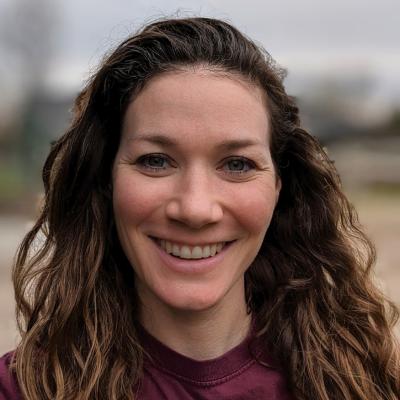 Angie Zill | University of Michigan - Ann Arbor
As a program manager in the University of Michigan School of Information, Angie interfaces with students across undergraduate and graduate degree levels and facilitates programs that give students the opportunity to work with community-based organizations on real-world information challenges. She enjoys helping others achieve their goals and finding mutually beneficial ways to collaborate and innovate. Her background is in nonprofits and positive youth development, and she believes in the power of involvement in community as a way to add a sense of place and purpose to life. She is a Commissioner on her city’s Parks Commission Parks Commission and enjoys regular volunteer work at a local organization. She holds a Master's degree in Nonprofit Administration and takes every opportunity to absorb new information and put new skills into practice. Originally from the southeast U.S. but now a true Michigander, she loves the outdoors and especially Great Lakes beaches, road trips and travel with her family, reading, hanging out with horses, and running.
 Bridget Hussain | Fairfield University
Bridget Hussain is an Assistant Professor of Public Health at Fairfield University in Fairfield, CT. She completed her Master’s degree in clinical nutrition and dietetics at NYU, earning her Registered Dietitian (RD) and Certified Diabetes Care and Education Specialist (CDCES) credentials while working at NYU Langone Health and New York Presbyterian Hospitals. Dr. Hussain completed her PhD in Public Health Epidemiology at NYU's School of Global Public Health. During her doctoral training, Dr. Hussain was awarded an NCI fellowship grant through the Cancer Epidemiology Education in Special Populations (CEESP) program and an F31 Predoctoral Fellowship to Promote Diversity in Health-Related Research through NHLBI to support her dissertation work. Her research examines the diet-disease relationship, identifying how nutrition can help prevent, treat, and manage chronic health conditions. She is also particularly interested in food insecurity among university students and ways to integrate a universal design to food access in order to reduce short- and long-term consequences associated with food insecurity. She continues to work with patients and families, maintaining a clinical practice that predominately focuses on adolescent and young adult nutrition.
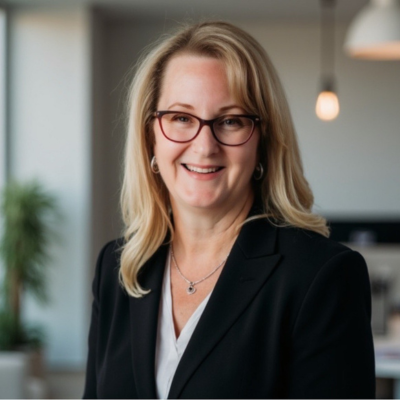 Carissa Newton | University of Indianapolis
Carissa Newton is an experienced Marketing Leader and Marketing Professor. She is the Director of the Stephen F. Fry Scholars Program and Assistant Professor of Practice in Marketing for the University of Indianapolis School of Business. She also owns and manages a consultancy called CN Creative Strategy providing Fraction Marketing and Strategy work for businesses of all sizes. Carissa has an MBA from Anderson University, a PCM designation from the American Marketing Association, and currently teaches Marketing and Digital Marketing coursework at the University of Indianapolis as an Assistant Professor of Practice. Prior to her work in the restaurant industry, Carissa led marketing and sales efforts in the financial services and technology industries. Outside of her marketing and teaching work, Ms. Newton is a beekeeper managing an apiary (branded as Oh Beehive!) at her historic home (fondly called Newton Manor) in Hendricks County Indiana. She also enjoys cooking for her family when they visit and traveling with her husband, now that they are empty nesters.
 Dharma Dailey | University of Washington Bothell
Dharma Dailey is an Assistant Teaching Professor in the Computing & Software Systems Division of the University of Washington Bothell School of STEM where she teaches User Research, Interaction Design, and Intro to Programming. As faculty affiliate at the eScience Institute at the University of Washington, Dailey investigates how human-centered design can be incorporated into data intensive research. She has mentored dozens of scientists in exploring the social dimensions of their research and collaborates with educators across the U.S. who are bringing “Data for Good” into the learning experiences they foster, for example, helping to share better practices for running university-based Data Science for Social Good programs. Her PhD research focused on the use of social media during crises with special attention to how information of value to crisis-affected communities is produced and diffused. Starting in the 1990s, Dailey has been immersed in community-based participatory design and public policy research aimed at empowering low-income communities in the U.S. in the areas of community-controlled, community-accountable media and communications. Her research has informed federal, state, and local policy. Clients have included the Federal Communications Commission, the Social Science Research Council, the Ford Foundation, and many others. With UW Bothell students and educators in partnership with a few awesome and invested community advisors, she initiated Dear Digital Equity, a community-based learning project that raises the visibility of digital equity in Washington State.
 Francisco Alatorre | Bridgewater State University
Dr. Alatorre's scholarship is rooted in his personal experiences with immigration, his work with homeless people, and maintaining resiliency in the face of overwhelming odds. Dr. Alatorre's research aims to portray both the barriers and successes the immigrant and homeless population face. Lately's Dr. Alatorre work has used diversity, inclusion, and equity lens to contextualize and frame his scholarly work. Dr. Alatorre's work has appeared in Debates on U.S. Immigration, Studies on Symbolic Interaction, Qualitative Inquiry, Encyclopedia of Women and Crime, The Journal of Qualitative Criminal Justice and Criminology, Contemporary Justice Review, and the Racial Equity and Justice Institute Handbook.
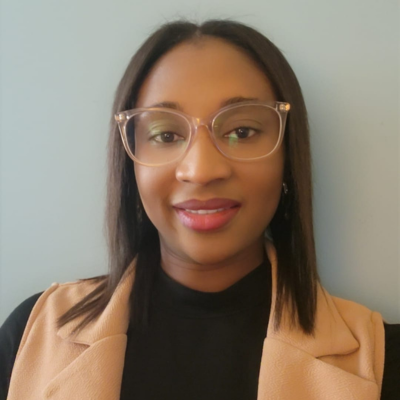 Dr. Halima Therese Gbaguidi | University of Rochester
Halima is the Associate Director for Community Engagement at the University of Rochester Center of Community Engagement (CCE). She earned her BA and MS degrees from Shippensburg University in Political Science and Organizational Development and Leadership, respectively. Halima obtained her PhD in Education, Development, and Community Engagement (EDCE) at Penn State University in 2023. She worked with different institutions in different capacities to promote students' success and civic and community engagement at different scales. In her current role at the CCE, she wears multiple hats and oversees five different programs. Two of the programs are AmeriCorps national service programs, one called the Rochester Youth Year, which is a one-year AmeriCorps program for recent graduates, and the other in the Urban Fellow for undergraduate students over the summer. The other programs are the Learning and Exploring at Play (LEAP) and Roc Reading Partners, both early childhood literacy programs from Kindergarten through 5. She also oversees a Transition Opportunities program at the University of Rochester (TOUR) in partnership with Monroe Educational Services to provide an inclusive college experience for students with intellectual and developmental disabilities. Halima’s scholarship interest focused on youth civic/community engagement, autonomy, empowerment, and leadership of women and adolescent girls and international development. As a binational, Halima hails from Niger and considers Pennsylvania her second home. She loves cooking, reading, traveling, and spending quality time with her family and loved ones.
 LaMaria Glass | Georgetown University
LaMaria Glass serves as the Assistant Director for Youth Justice Programs at Georgetown University’s Center for Social Justice Research, Teaching and Service. She earned her Master’s in Educational Transformation at Georgetown University, concentrating in Advocacy and Policy. She graduated from the University of Virginia with a Bachelor of Science in Education, double majoring in Sociology and Youth & Social Innovation. LaMaria is passionate about youth and advocacy, and her hope is to continue advocating for youth at the intersections of education and juvenile justice. She deeply values community and equitable educational opportunities. As such, LaMaria has been involved with a number of organizations whose missions range from philanthropy to advocacy to centering first-generation college-bound students.
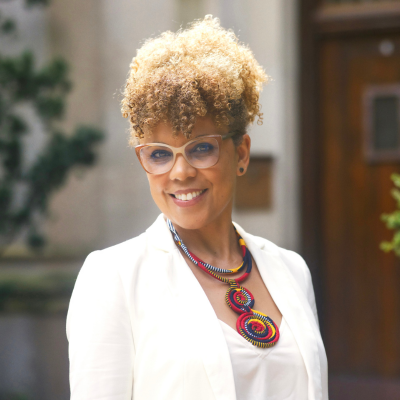 Leonora Souza Paula, PhD | Michigan State University
Leonora Souza Paula is an Assistant Professor in the Department of English at Michigan State University. She specializes in Literary Studies and Latin American Studies, with a focus on intersections of race, gender, urban culture, and memory in contemporary Afro-Brazilian and Afro-Diasporic culture. Her current research examines the role of Black spatial imagination in the process of claiming literature and culture as heritage recovery and epistemic reparation. Leonora is the co-founder of the Black Women Shaping AfroFutures and the Sister Circle Mentoring Program for Women of Color. She is a Fellow of Vital Voices Global Partnership, the Research Institute for Structural Change, the Human Rights Center at the University of California Berkeley School of Law, and the American Council of Learned Societies.
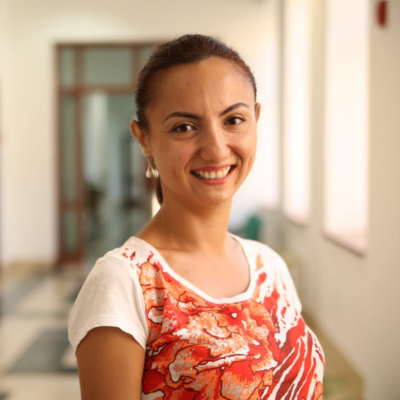 Dr. Madina Djuraeva | University of Nebraska - Omaha
Dr. Madina Djuraeva is an Assistant Professor of Multilingual Education in the Department of Teacher Education at the University of Nebraska at Omaha. She teaches undergraduate courses, Introduction to Teaching ESL and Equity, Language and Cultural Literacy, as well as graduate courses, Language, Culture, and Power and Introduction to Human Rights in P-12 Education. In her course, she is particularly passionate about integrating community-engaged teaching and learning opportunities that aim to foster intercultural, multilingual, and global competencies among aspiring and practicing teachers. Dr. Djuraeva’s research focuses on sociocultural, educational, economic, and politico-historical discourses of becoming and being multilingual, with implications for multilingual learner education and teacher preparation. She is the lead editor of the book “Language Policy or the Politics of Language: Reimagining the Role of Language in a Neoliberal Society.” Her work has been published in Applied Linguistics, World Englishes, International Journal of Bilingual Education and Bilingualism, International Multilingual Research Journal, and Language Policy. Dr. Djuraeva earned her Ph.D. from the Department of Curriculum and Instruction and M.A. from the English Department at the University of Wisconsin – Madison. A former Fulbright recipient and a polyglot (Uzbek, Tajik, Russian, Kazakh, Korean, English, and Spanish), she is originally from Bukhara, Uzbekistan.
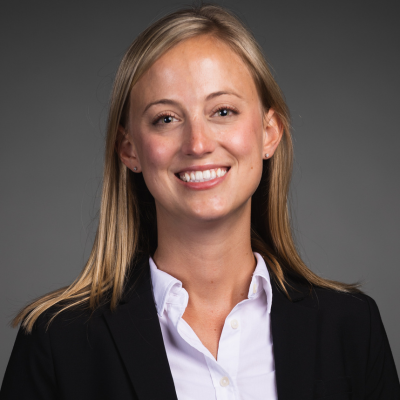 Dr. Maggie Williams | Michigan State University
Dr. Maggie Williams is an assistant professor in the Department of Civil and Environmental Engineering at Michigan State University. She completed her Ph.D. at Michigan State University in 2017. Her research interests lie at the nexus of biotechnology, molecular microbial ecology, and human health. Microorganisms inhabit nearly every environment on Earth and play a central role in major element cycling. As microbiomes are critical to the health of individual humans, plants, and animals, so are they critical to the overall health of the planet. However, the planet faces dire threats to sustainable development, such as climate change, food insecurity, pathogen and antimicrobial resistance emergence, water scarcity, fossil fuel consumption, and social inequalities. It is through Dr. Williams’ research that she hopes to develop meaningful microbial-mediated solutions and community collaborations to address these issues.
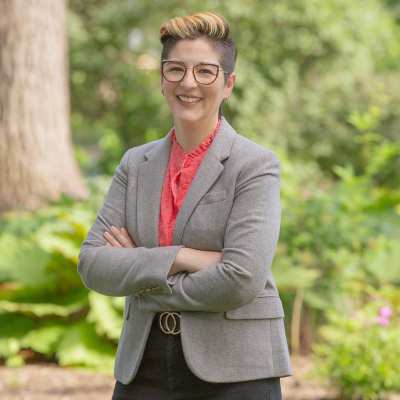 Stephanie Quirk, Ph.D. | College of DuPage
Stephanie Quirk, Ph.D., is Manager of Student Life at College of DuPage where she oversees the design and administration of co-curricular leadership development programs and civic engagement initiatives including student advocacy training, non-partisan voter education and engagement programs, college poll worker programs, and service-learning experiences. In addition to her full-time role, she also adjuncts at College of DuPage teaching leadership development in the humanities discipline. Stephanie is a past president of the Illinois Community College Student Activities Association and has served on the executive board of the Association of Campus Activities Administrations based in Chicago. Her recent research has focused on global leadership development in study abroad participants engaging in service learning abroad.
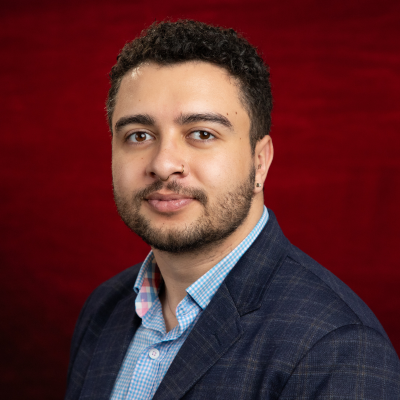 Tevin Monroe | University of Louisville
Tevin Monroe currently serves as the First-Year Experience and Student Engagement Coordinator at the University of Louisville. In this role, he is responsible for first-year experience programming and student leadership development throughout the undergraduate experience for engineering students. He is passionate about creating spaces for students to experience a sense of belonging, develop active citizenship, and navigate bringing their “full self” wherever they go. Tevin is a two-time AmeriCorps alum (one term with the National Health Corps in Pittsburgh, PA; a second term with Engage KY in Lexington, KY) and believes strongly in the value of national service as an avenue for people of all ages to contribute to their communities while building critical professional skills. Tevin holds a B.S. in Nutrition and Food Science from Wayne State University and a M.Ed in Community Engagement from Merrimack College. In his free time, Tevin enjoys weightlifting, horror/thriller films, and pickleball.
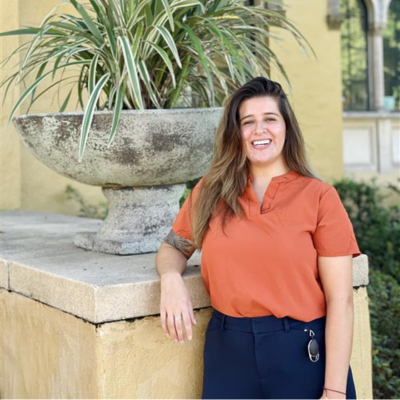 Victoria Teske | Rollins College
Victoria Teske serves as the Associate Director for the Center for Leadership & Community Engagement at Rollins College. She received her B.A. in Recreational Therapy at Florida International University and then went on to complete her Masters in Higher Education Administration at the University of Texas at San Antonio (UTSA). At UTSA, she held a two-year graduate assistantship within their Leadership and Volunteer Services office where she focused on organizing volunteer events and leadership conferences. Victoria's role includes overseeing the Bonner Leaders Program, the non-partisan Democracy Project, as well as the group of students who are involved with JUMP (Join Us in Making Progress).
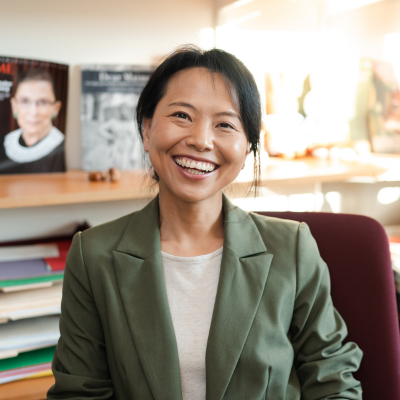 Yun Garrison, Ph.D. | Bates College
Yunkyoung (“Yun”) Garrison, Ph.D., is an assistant professor of psychology at Bates College. She received a doctoral degree in Counseling Psychology from the University of Iowa in 2020. Her doctoral training focused on community-engaged psychology and multicultural and critical psychology. Her research focuses on community-engaged research methodologies and psychological healing modalities congruent with people of color’s critical consciousness, lived experiences, and self, cultural and ancestral knowledge. Her most recent scholarly work, “A framework of community-engaged vocational research methodologies from liberatory perspectives” has been featured in the Journal of Vocational Behavior. She is working on her long-term community-engaged project entitled “Ka Bogso: The 5Rs Post traumatic growth model for Somali refugee women” with Maine Community Integration, primarily working with Somali refugee families. The work is forthcoming in The Counseling Psychologist. She has been enjoying incorporating oral tradition, intuition, psychological knowledge, visual arts, and written words in theory development. As a lead author, she is also working on her co-authored manuscript on a new healing framework of work ethic and rest ethic. As a college educator, she has offered a Community-Based Research Methods and Community-Based Thesis Seminar courses, a required course of the psychology curriculum at Bates College. She also has taught new classes, such as Psychology of Oppression and Liberation and Counseling Psychology. She engages in clinical practice as a licensed psychologist in Maine and conceptualizes structural oppression as the source of human suffering to facilitate individual and societal change. Her role as a clinician informs her research and pedagogy, especially in reducing the gap between research and practice.
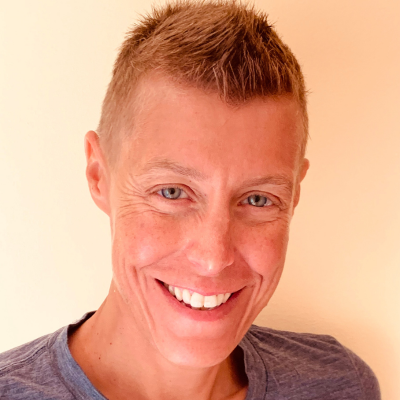 Z Zinter | Greenfield Community College
Z Zinter (they/them) is an Assistant Professor of Business and Information Technology at Greenfield Community College and a Fellow with the Acosta Institute. Their interdisciplinary teaching spans business, psychology, and community leadership. Z’s scholarly and professional work is grounded in a commitment to justice, sustainability, and reflective practice. They draw on two decades of experience as a Master Beekeeper and as a martial arts practitioner to inform their systems-thinking approach to education—emphasizing attentiveness, discipline, and mutual care. As a current Fellow with the Acosta Institute, they are deepening their engagement with contemplative pedagogy and healing-centered frameworks. They hold advanced degrees in Business and Applied Positive Psychology and are a recognized educator in the fields of financial well-being and personal development. Whether in the classroom or in the community, Z is committed to cultivating spaces where students can discover their agency, deepen their inquiry, and step into leadership. Z is currently developing a Community Leadership certificate program grounded in equity, civic engagement, and reflective practice.
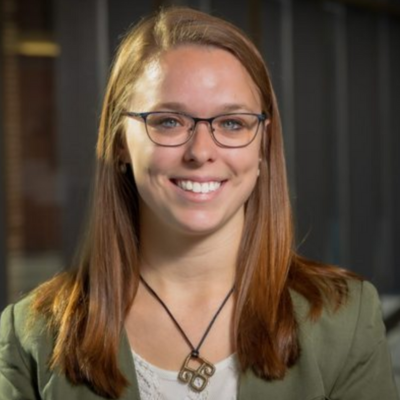 Claire Kelling | Carleton College
Claire Kelling is an Assistant Professor of Statistics at Carleton College in Northfield, Minnesota. She received her Dual PhD in Statistics and Social Data Analytics from Penn State. Claire’s research engages statistics, sociology, and data science in order to study and develop statistical methods to inform evidence-based policy. Her primary focus recently is on the development of statistical methods in spatial statistics for the analysis of policing data in partnership with community members and organizations. She is interested in ways to accurately characterize intricacies in policing patterns and their interactions with communities through information about individual officers and civilians as well as characteristics of events (e.g. location, time, presence of injuries).
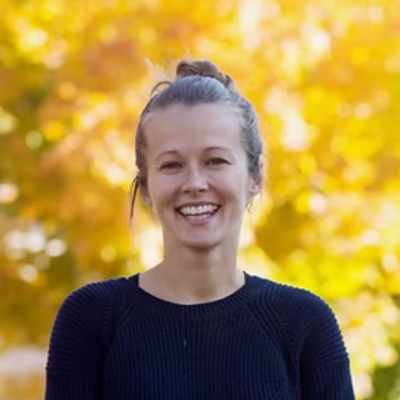 Dr. Joanna Maulbeck | Kingsborough Community College
Dr. Maulbeck’s teaching experience began in preschools and elementary schools in South Africa, Mali, and the United States. She has earned a B.S. in Elementary Education and Child Psychology from The College of New Jersey, a M.S. in Global Affairs from Rutgers University, and a Ph.D. in Global Affairs/Urban Education from Rutgers University. Dr. Maulbeck is passionate about child-centered, holistic learning, as well as equity and diversity in education. Her research investigates ways to advance social justice through education, particularly through curricular and systemic reforms. Joanna is co-founder of Deep Roots School, a nature-based school that is located in NJ. She is currently Assistant Professor of Education and co-director of the Center for Civic Engagement at Kingsborough Community College, City University of New York (CUNY).
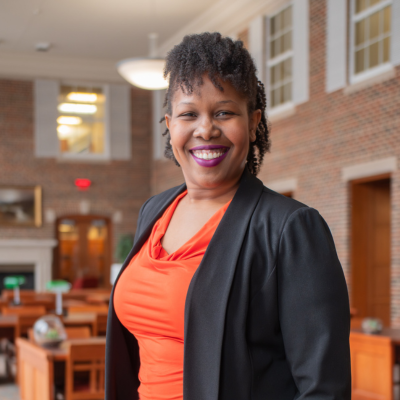 Sashae Mitchell | Kalamazoo College
Sashae Mitchell (she/her) graduated from Kalamazoo College in 2013 with a B.A. in Mathematics. During her time at K, she was actively involved in the Center for Civic Engagement (CCE), serving as a Civic Engagement Scholar for Community Advocates for Parents and Students. This experience ignited her passion for addressing educational inequities both locally and internationally. After graduating, Sashae worked with the W.E. Upjohn Institute in Kalamazoo, where she contributed to research teams analyzing data on the Kalamazoo Promise and other aspects of the Kalamazoo Public School System. Sashae earned an M.S. Ed in International Education and Development from the University of Pennsylvania. Since then, she has worked with organizations in the US, South Africa, and her home country, Jamaica, conducting research on educational disparities. She has also implemented and evaluated interventions and innovative solutions to address these inequities. Additionally, Sashae is the founder and director of Mitchell’s Math Centre, a tutoring company in Jamaica dedicated to supporting students struggling with mathematics. As the Director of the CCE at Kalamazoo College, Sashae leads and provides vision for civic engagement initiatives. She promotes, develops, manages, funds, and evaluates sustainable and effective academic and co-curricular programs. Sashae supervises staff, builds strategic relationships with community partners and faculty, oversees programming, collaborates with on- and off-campus partners, and leads CCE teams in a supportive and creative environment.